
Companies Using AI To Scan Job Applications Can Cause Unintentional Age Bias
AI has become a heavily utilized tool across industries and processes, and it might be impacting your job applications. Many companies have implemented AI systems that scan job applications from potential candidates before those resumes ever arrive in front of Human Resources, recruiters, or hiring managers. Often these are called Applicant Tracking Systems (ATS). While AI systems used for this purpose can be helpful to filter resumes based on keywords or work experience necessary for the open roles, the systems can also unintentionally create discrimination within the hiring process.
There are many different Applicant Tracking Systems used across industries to scan job applications, and each system has its own guardrails (often created by humans). These systems can scan applications to create efficiency for a hiring company, potentially providing a candidate score to help narrow the candidate pool or calling out star applicants. The systems can look for keywords or phrases to check candidate alignment with roles, which can sometimes reduce bias with the AI focusing on skills and qualifications of candidates before human eyes look over the resume and bring in any unintentional bias.
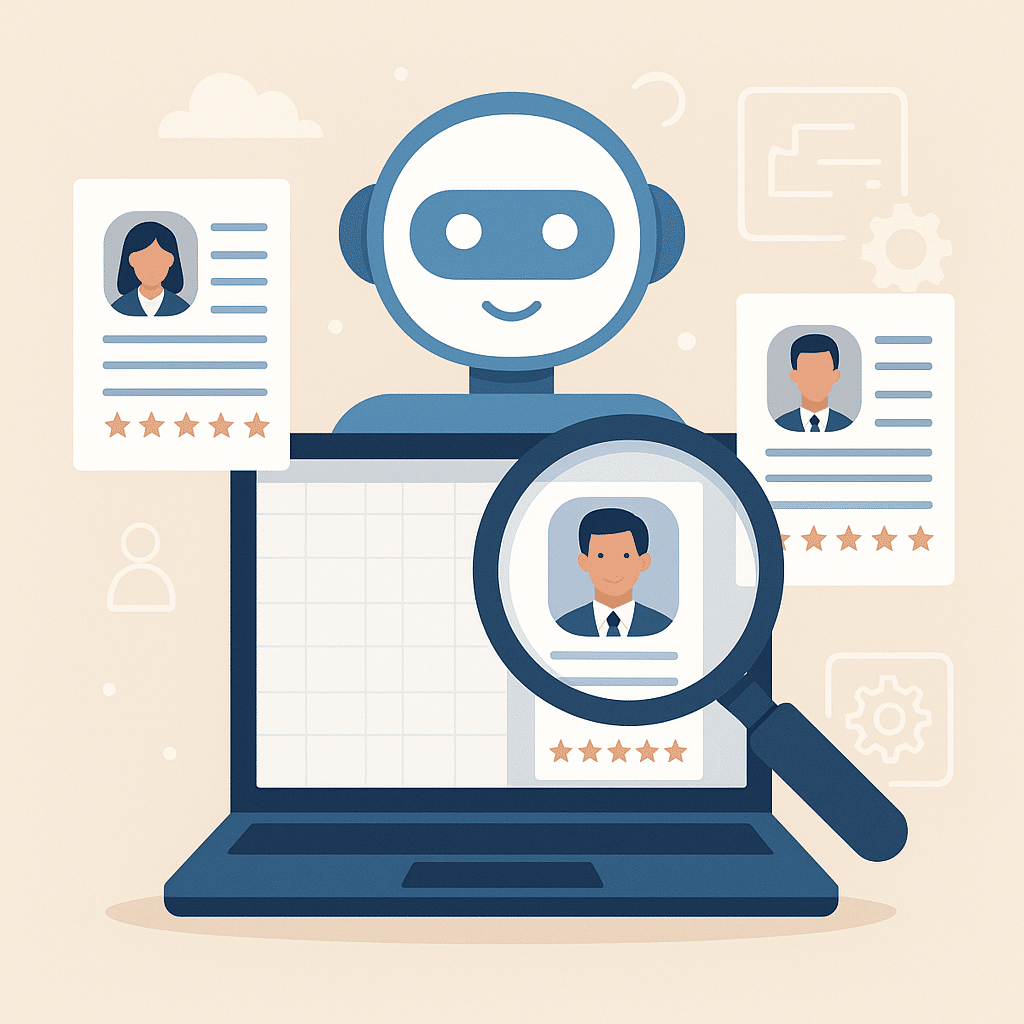
However, the systems can also bring unintentional bias depending on how the systems have been created or the filters that are being used when reading candidate resumes. Biased filters used by some systems can include items like:
– college graduation year
– types of certifications achieved
– years of experience in a certain field
– number of past employers
– resume format style
– or even word choices that are stereotypically used more by one generation versus another
In theory, removing unintentional bias by using an Applicant Tracking System to pre-scan for qualified candidates could be positive. So, that leads to the question: What can companies do to lessen age-related bias that AI systems scanning job applications might unintentionally create?
Review guardrails, training, and read-outs of system reports
Companies should be mindful of the methodology of the systems being used to review job applications from potential candidates. Companies should audit the set guardrails and training, especially if created by a third party, and regularly review approved and rejected resumes to ensure the AI system is providing an unbiased and expected result.
Place multiple eyes on the audit
Companies should ensure that not only one individual is reviewing the audit of guardrails mentioned above. Unintentional bias is stronger when only one individual is looking versus when many are (preferably across varying ages and job roles).
Design age-inclusive parameters to add into AI systems scanning job applications
Companies should add in their own age-inclusive parameters to the AI systems scanning job applications if they aren’t already there. Companies should train the AI systems to ignore dates that suggest candidates’ age, or to be unbiased about keywords that can imply ageism (for example, ask the AI to ignore words like “recent graduate” or “seasoned”).
Partner with ageism programs
While there can be a cost to ensuring AI systems scanning job applications remain unbiased for your organization, there are ways to mitigate prices, especially if you are already invested in the development of your own AI system or payment to 3rd parties. Your company can seek out volunteers who are passionate about ageism and eliminating biases from the hiring process, or team up with college campuses to bring students on board to participate in audits creating age-inclusive parameter additions to your AI systems.
Ultimately, AI systems can provide value to companies by scanning job applications and identifying top match candidates, however it’s important that companies are intentional about removing any biases from this process, age-related or otherwise.
Related Ageism Information


Ageism Educational Resources
